
The Battle Against Heat Transfer: Inside the Modern Building Envelope
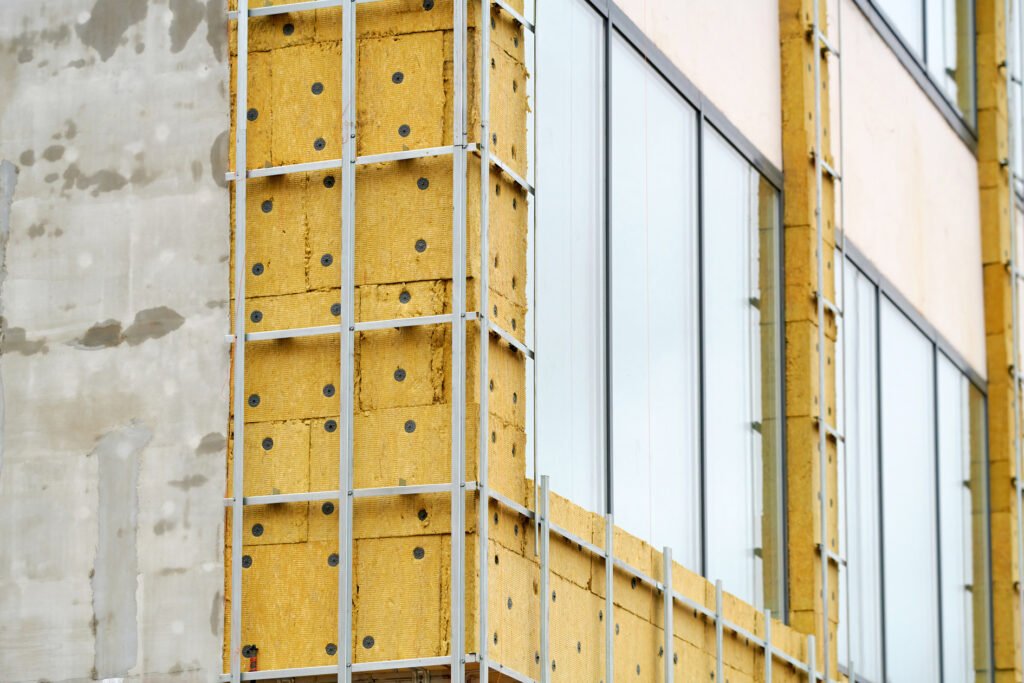
Heat won’t hold still. It’s forever trying to move from warm spots to cool ones, and it’ll take whatever opening it can find. In July, it barges indoors and turns your den into a slow cooker. In January, it slips back out and sends you hunting for a blanket. Standing between you and all that back and forth is something with a slightly dull name: the building envelope. It’s the shell around everything you own, and it never stops working to keep the air inside feeling the way you want it.
What Is the Building Envelope?
The envelope is every surface that separates indoors from out. Your walls count. So does the roof, the floors, and all your windows and doors. It’s like your home’s protective layer. A strong, sealed layer repels weather and retains comfort. Let a weak spot open up, though, and heat comes charging through like it pays the mortgage. A good envelope does several things. It manages temperature changes, resists moisture, stops drafts, and maintains fresh indoor air.
How Heat Sneaks Through
There are three ways heat gets around, and none of them plays nice. Conduction comes first. That’s heat pushing straight through something solid, like a wall or a windowpane. Then there’s convection, where warm air floats about and hauls heat wherever it drifts.
Read More: What to Look for in an Architectural Metal Supplier for Modern Building Projects
Radiation rounds out the group. It fires across open space, just as the sun warming your face on a bright afternoon. Your envelope has to handle all three at once. Not easy. And that’s the reason builders lose sleep over which materials they hang their hats on.
The Power of Good Insulation
Insulation tells the story. It puts the brakes on heat and holds it right where you want it. Go light on insulation and your walls might as well be open windows, even shut up tight. What you choose counts for a lot. Certain products handle heat far better than the rest, and that gap turns up on your power bill month after month.
A company like Epsilyte offers some of the best EPS insulation materials you’ll come across, and products like these give your envelope real backbone against heat transfer. The foam catches thousands of tiny air pockets, and those pockets stop heat cold. So what do you walk away with? A house that’s always comfortable.
Sealing the Weak Points
Insulation alone isn’t enough. Air seeps in through openings near windows and doors, as well as along the joints of the building’s structure. The small openings allow heat to escape and outside air to enter. Builders sealed them using caulk, weatherstripping, and special tapes. The entire envelope operates as one piece once it’s sealed appropriately. Because each piece reinforces the one before it, the system operates more powerfully.
Why This Battle Matters
A tight, well-built envelope puts money back in your wallet and makes home a better place to spend your time. Your furnace and AC quit straining so hard. Smaller bills follow. So do fewer repair calls somewhere down the line. You also burn less energy overall, which does the planet a solid while you are at it. On this one, comfort and savings travel side by side.
Conclusion
The fight against heat transfer never truly ends, but the right plan puts you ahead of it. A robust envelope, combined with effective insulation and meticulous sealing, ensures heat remains precisely where intended. Your home’s comfort remains stable year-round if all its components are effective. The benefits of consistent comfort and saved money make the effort more than worthwhile.
Read More: New Mexico Residents Want More From Their Financial Institutions






1 thought on “The Battle Against Heat Transfer: Inside the Modern Building Envelope”