
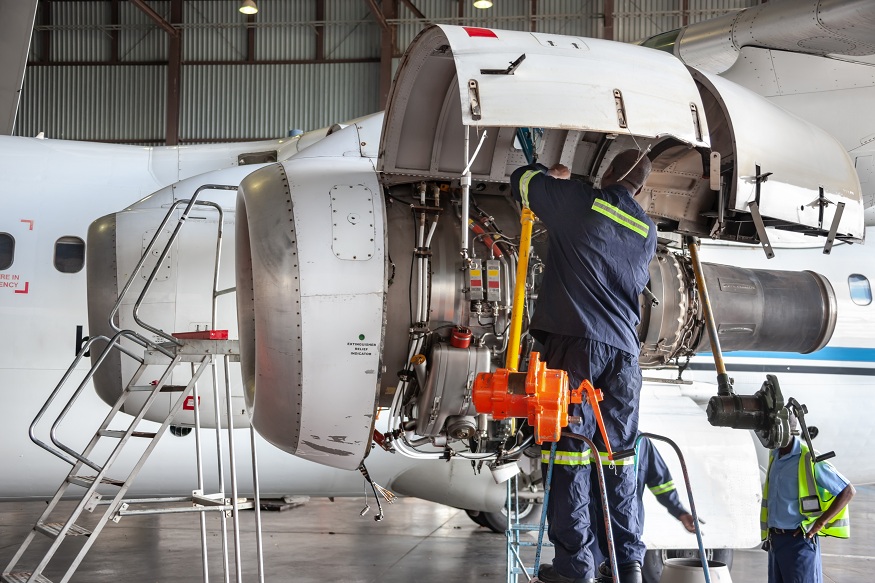
Buying airplane parts differs from grocery shopping. Get it wrong with your weekly shopping and dinner tastes bad. A mistake at 40,000 feet has fatal consequences. Engineers focus on details that others find tedious. Every bracket, every beam, every bolt faces scrutiny that borders on paranoia.
Strength Without the Weight
Engineers play a maddening game. They want parts that could hold up a bulldozer but weigh less than a feather. Sounds impossible? It pretty much is. The weight obsession borders on the ridiculous. Teams will argue for hours about shaving two ounces off a bracket. They’ll pay stupid money for exotic materials if it drops thirty pounds from the total aircraft. Why? Because every pound of dead weight burns fuel from takeoff to landing. Over a plane’s lifetime, those pounds add up to millions in fuel costs.
Read More:When Strength, Weight, and Durability Must All Win
Yet that ultralight part still needs to survive the most challenging conditions. Pressure changes that would crush a beer can flat. Temperature swings from Phoenix asphalt to Antarctic ice. Vibrations that would rattle your fillings out. The part has to laugh it all off for twenty-plus years.
The Fatigue Factor
Metal gets tired. Strange, but true. Eventually, a coat hanger will break if bent repeatedly. Aircraft parts face the same problem, except the bending happens over decades instead of minutes. Think about what planes endure. The wings adjust to every gust of turbulence. The fuselage inflates during flight and deflates post-landing. Landing gear gets slammed into concrete hundreds of times per month. Do that dance for twenty years and even tough materials start developing cracks. So engineers torture-test everything. They’ll rig up a machine to flex a wing piece up and down, three times per second, for six months straight. If it survives that beating, maybe it’s tough enough. Maybe.
Material Science Makes the Difference
Your grandfather’s aircraft were basically flying aluminum cans. Modern engineering involves futuristic technology. Carbon fiber surpasses steel in strength and plastic in lightness. Titanium alloys withstand extreme heat. Extremely heat-resistant, yet very fragile ceramics.
Aircraft composite technologies have completely scrambled the playbook, with companies like Aerodine Composites helping engineers exploit these tricky materials. Composites don’t act like metal. They’re crazy strong in one direction, weak in another. They don’t rust, which is great, but damage hides inside where nobody can see it. Some soak up water like sponges if you don’t seal them right. Engineers basically had to relearn their entire profession when these materials showed up.
Environmental Survivors
Consider what attacks aircraft daily. Baking on Middle Eastern tarmac at 140 degrees. Sitting overnight in Minnesota at minus 40. Salt spray eats at everything near ocean airports. UV radiation at cruise altitude that’s basically a continuous sunburn. Parts can’t just survive this abuse; they need to shrug it off for decades. Rubber seals that stay stretchy when frozen solid. Glues that won’t let go when cooking in desert heat. Paint that handles acid rain, volcanic ash, and bird strikes without chipping. One tiny weakness brings planes down for maintenance. Or worse.
Read More:Why DSCR Loans Aren’t Always the Best Choice for Property Investors
Conclusion
Engineers selecting flight components juggle demands that contradict each other at every turn. Make it light but make it strong. Make it cheap but make it last forever. Make it simple but make it perfect. This nitpicking keeps people alive. While passengers complain about legroom and peanuts, engineers lose sleep over bracket alloys and fastener coatings. They obsess so nobody else has to. That part holding the wing on? It survived more testing and analysis than most products get in a lifetime. When you’re flying six miles up at 500 miles per hour, that paranoid attention to detail doesn’t seem so crazy after all.