Rear Loader Truck Capacity and Performance Guide
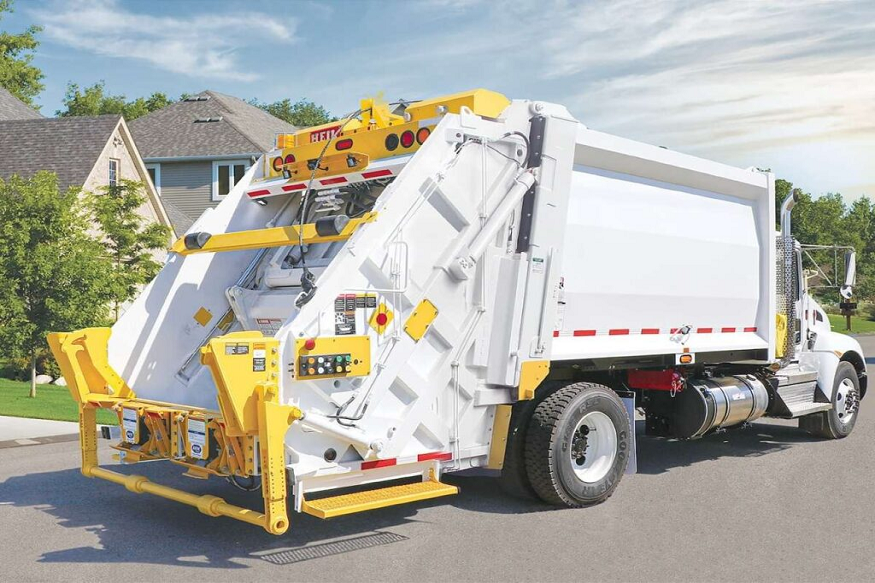
Rear loader trucks are widely used in municipal, commercial, and industrial waste collection due to their versatility, efficiency, and durability. Understanding their capacity and performance is essential for fleet managers, operators, and municipalities to ensure effective waste collection and optimize operational costs.
Understanding Load Capacity
The load capacity of a rear loader truck refers to the maximum amount of waste it can safely carry per trip. This capacity depends on factors such as the storage body size, compaction efficiency, and truck chassis strength. Most modern rear loader trucks can carry between 10 to 20 cubic yards of waste, while heavy-duty models designed for industrial or bulky waste can handle even more. Proper load management ensures safety, vehicle stability, and efficient waste collection.
Hydraulic Compaction Performance
A key performance feature of rear loader trucks is their hydraulic compaction system. The hydraulic ram compresses waste into the storage body, increasing payload without overloading the truck. Compaction ratios vary by model, with higher ratios allowing more waste per trip. Efficient compaction reduces the number of trips to landfills or transfer stations, saving fuel, labor, and time.
Engine Power and Fuel Efficiency
Performance is also influenced by engine power and fuel efficiency. Diesel engines are commonly used for their high torque and reliability in stop-and-go operations. Modern models may offer CNG, hybrid, or electric options, which can improve fuel efficiency and reduce emissions. Choosing the right engine ensures the truck maintains consistent performance, even when handling heavy or bulky waste.
Maneuverability and Route Efficiency
Maneuverability affects both capacity utilization and overall performance. Rear loader trucks are designed to navigate narrow streets, tight corners, and congested urban areas, allowing operators to collect waste efficiently without causing delays. Better maneuverability enables the truck to access more collection points, increasing operational efficiency while reducing fuel consumption.
Durability and Operational Lifespan
Performance over time is determined by the truck’s durability. High-strength steel bodies, reinforced chassis, and robust hydraulic systems ensure rear loader trucks can handle daily heavy-duty operations for years. Proper maintenance, including routine inspections of hydraulic components, brakes, and tires, helps maintain optimal performance and prolongs the truck’s operational lifespan.
Safety and Performance Features
Modern rear loader trucks integrate safety with performance. Features like rear-view cameras, warning alarms, emergency stop controls, and anti-slip platforms protect operators while maintaining efficient operations. Well-designed controls allow operators to manage compaction cycles precisely, ensuring maximum performance without compromising safety.
Optimizing Capacity for Efficient Operations
Operators can optimize rear loader truck performance by managing load distribution, compaction cycles, and route planning. Efficiently packed waste prevents uneven weight distribution, which could affect handling or increase wear on the suspension. Route planning software can also improve collection efficiency, reducing fuel use and maximizing the truck’s payload capacity per trip.
Environmental Considerations
High-capacity rear loader trucks with efficient compaction help reduce environmental impact. Fewer trips to disposal sites mean lower fuel consumption and reduced greenhouse gas emissions. Additionally, modern alternative-fuel trucks contribute to sustainable waste management practices while maintaining high collection performance.
Choosing the Right Rear Loader Truck
Selecting the right truck involves balancing capacity, compaction performance, engine type, and route requirements. For residential collection, a smaller compact truck may suffice, while commercial, industrial, or bulky waste operations require larger trucks with higher compaction ratios and stronger engines. Matching truck specifications to operational needs ensures reliable performance and cost-effectiveness.
Conclusion
Rear loader trucks offer versatile capacity and reliable performance for a wide range of waste collection operations. Understanding load capacity, compaction efficiency, engine performance, maneuverability, and durability is essential to optimize operations. Properly managed rear loader trucks maximize waste collection efficiency, reduce operational costs, and contribute to sustainable and safe waste management practices.