When Strength, Weight, and Durability Must All Win
Every engineer knows the frustration. Make it strong enough to last decades. Keep it light enough to move efficiently. Build it tough enough to survive harsh conditions. Pick two, they used to say. The third one always suffered. That old rule held manufacturing back for generations.
Today’s reality looks different. Materials science has rewritten the playbook. Components now deliver all three properties without the old compromises that plagued designers. The impact of this shift is widespread. It touches everything from bridges and bicycles to satellites and submarines.
Why All Three Matter
Strength without durability means constant replacements. A part might hold massive loads today but fail next year from fatigue. That’s expensive and dangerous. Durability without a lightweight design wastes energy every single day. Heavy vehicles burn more fuel, and heavy machinery needs bigger motors. Heavy anything costs more to move around. Lightweight materials that lack strength simply don’t work. They buckle, crack, or shatter when stressed. Nobody wants that surprise.
Read More: Why DSCR Loans Aren’t Always the Best Choice for Property Investors
The magic happens when all three properties work together. Strong materials handle the load. Light weight saves energy and improves performance. Durability keeps everything running year after year without drama. Getting there requires some clever chemistry and engineering.
The Science Behind Success
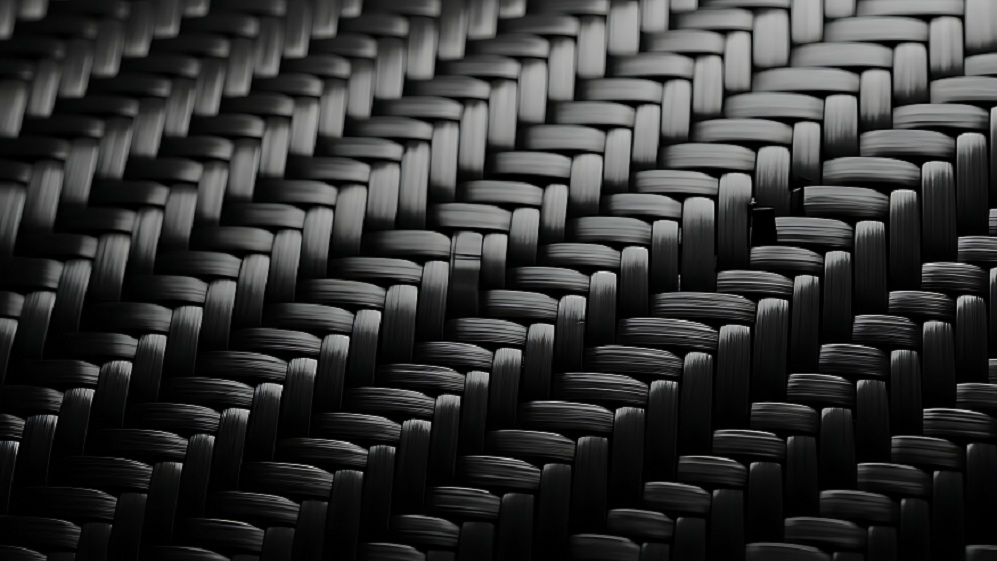
Modern materials act like teams rather than solo players. Different fibers handle different jobs. Some resist pulling forces. Others stop cracks from spreading. The matrix holding everything together distributes stress evenly. It’s organized chaos that somehow works perfectly.
Temperature resistance plays a huge role too. Materials expand and contract with heat and cold. Errors will cause the parts to degrade and disintegrate. If done correctly, parts will endure extreme temperatures. They will endure freezing winters and scorching summers and still function.
Production techniques have changed significantly. Precision placement puts expensive materials only where needed. Automation reduces mistakes caused by people. Problems are identified by quality control before parts are shipped. Each action helps achieve these three key goals: strength, weight reduction, and resilience.
Real Applications Making a Difference
The transportation sector showcases these advances daily. Aerodine Composites exemplifies how industrial composites revolutionize component design across multiple industries. Their materials withstand punishing conditions while weighing a fraction of traditional alternatives. This combination opens doors that stayed locked for decades.
Read More: Online Communities Built Around Treasure Hunting
Renewable energy systems rely on these advancements. Wind turbines endure powerful hurricane winds, freezing ice storms, and intense sunlight. Solar panel frames endure harsh weather conditions for years, all while holding up heavy glass panels. They both require materials that are durable and lightweight. They require materials that are cost-effective.
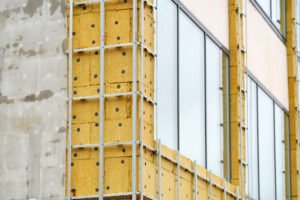
Infrastructure projects benefit enormously. Bridge decks resist salt, water, and millions of vehicle crossings. Building facades handle wind loads and temperature swings without adding excessive weight to foundations. Utility poles stand tall through storms that flatten trees.
The Path Forward
Research continues pushing boundaries. Scientists develop materials that sense their own damage. Others create structures that adapt to changing loads automatically. Some teams focus on materials made from renewable sources that match or exceed current performance standards. Cost barriers keep falling. Mass production leads to cost efficiencies. Competition spurs innovation and helps lower prices. Contractors find installation simpler as they become more familiar with novel materials.
Conclusion
The days of choosing between strength, weight, and durability have ended. New materials offer all three, revolutionizing engineering and design. This isn’t just a future possibility. It’s already a reality in factories, construction zones, and research facilities across the nation. Companies that adopt these materials will have increasingly significant competitive advantages. Businesses that don’t take risks will be left behind because customers want improved performance and reduced expenses. They want increased durability. It’s no longer simply feasible to achieve the triple win. It’s becoming the norm that everyone expects.