
CMS for Media Company: High-Performance CMS for Large Audiences
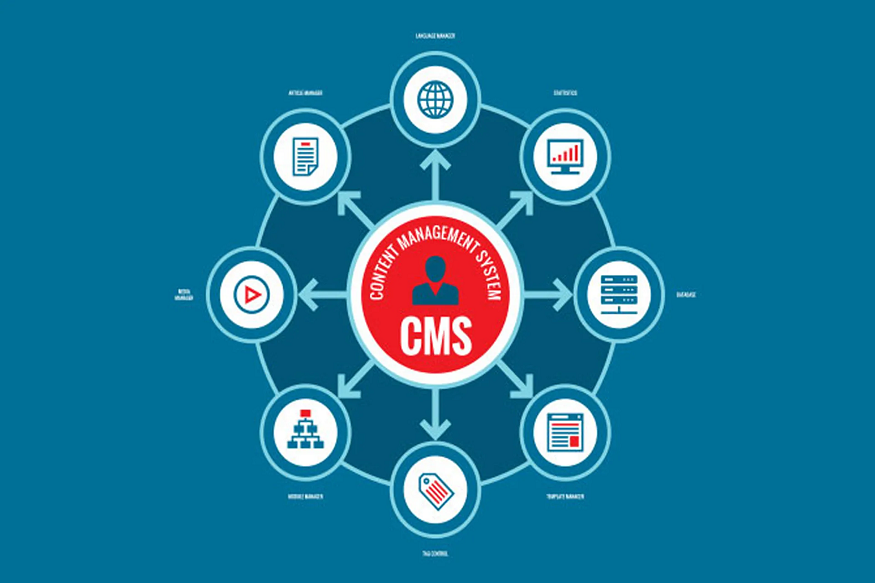
For media companies with growing readership, delivering content quickly and reliably is non-negotiable. A CMS for media company must handle high traffic volumes, large multimedia libraries, and real-time updates without compromising speed or stability. High-performance CMS platforms ensure that audiences get a seamless experience, even during peak traffic or breaking news events.
Why Performance Matters
Large media platforms face unique challenges: sudden traffic spikes, multimedia-heavy content, and global audiences accessing the website simultaneously. Slow-loading pages or downtime can reduce engagement, harm SEO rankings, and damage a media brand’s reputation. High-performance CMS solutions are built to withstand these pressures while maintaining optimal user experience.
Key Features of High-Performance CMS
- Scalable Infrastructure
High-performance CMS for media company use scalable architectures, often cloud-based, to handle fluctuating traffic. Auto-scaling servers, content delivery networks (CDNs), and caching layers ensure consistent performance, even when millions of users access the site simultaneously.Read More: How Specialty Chemical Manufacturers Scale Production Without Compromising Quality - Fast Page Load Times
Optimized content delivery, compressed media files, and server-side caching help reduce page load times. Fast-loading pages improve user experience, increase retention, and enhance search engine rankings, which are crucial for media sites targeting large audiences. - Headless and API-Driven Architecture
Headless CMS solutions separate the backend from the frontend, enabling content delivery to multiple platforms simultaneously. This reduces load on the server, allows content reuse across websites, mobile apps, and OTT platforms, and ensures fast delivery to end users. - Optimized Database Management
Large media websites generate massive amounts of content and metadata. A high-performance CMS uses database optimization techniques, including indexing, replication, and query optimization, to ensure quick retrieval and display of content.Read More: Asphalt Paving Utah for Industrial Sites: Best Practices and Tips - Robust Caching Strategies
Server-side caching, object caching, and edge caching via CDNs reduce repeated computation and improve response times. Proper cache invalidation ensures that updated content is delivered without delay. - Reliability and Uptime Monitoring
High-traffic media sites require guaranteed uptime. Modern CMS platforms often integrate uptime monitoring, automated failover, and disaster recovery protocols to maintain continuous access for audiences worldwide.
Popular High-Performance CMS Options
- WordPress VIP: Managed WordPress solution optimized for large-scale, high-traffic media websites.
- Drupal: Enterprise-ready CMS with robust caching, scalable architecture, and modular design for complex workflows.
- Headless CMS (Contentful, Strapi, Sanity): Ideal for omnichannel delivery and high-speed content distribution.
- Adobe Experience Manager (AEM): Enterprise-grade CMS with advanced performance optimization, cloud scalability, and global content delivery.
Benefits for Media Companies
- Consistent User Experience: Fast and reliable content delivery keeps readers engaged.
- SEO Advantages: High-speed performance improves search engine rankings.
- Scalability: Handles audience growth without overloading servers.
- Multimedia Support: Efficient delivery of videos, podcasts, and interactive content without slowing the site.
Conclusion
A high-performance CMS for media company is essential for publishers targeting large and global audiences. By combining scalable infrastructure, fast page delivery, caching strategies, and headless architecture, media companies can ensure that content reaches readers quickly, securely, and reliably. Selecting the right CMS not only enhances user experience but also strengthens SEO, engagement, and long-term audience growth, making it a cornerstone of successful digital publishing.